
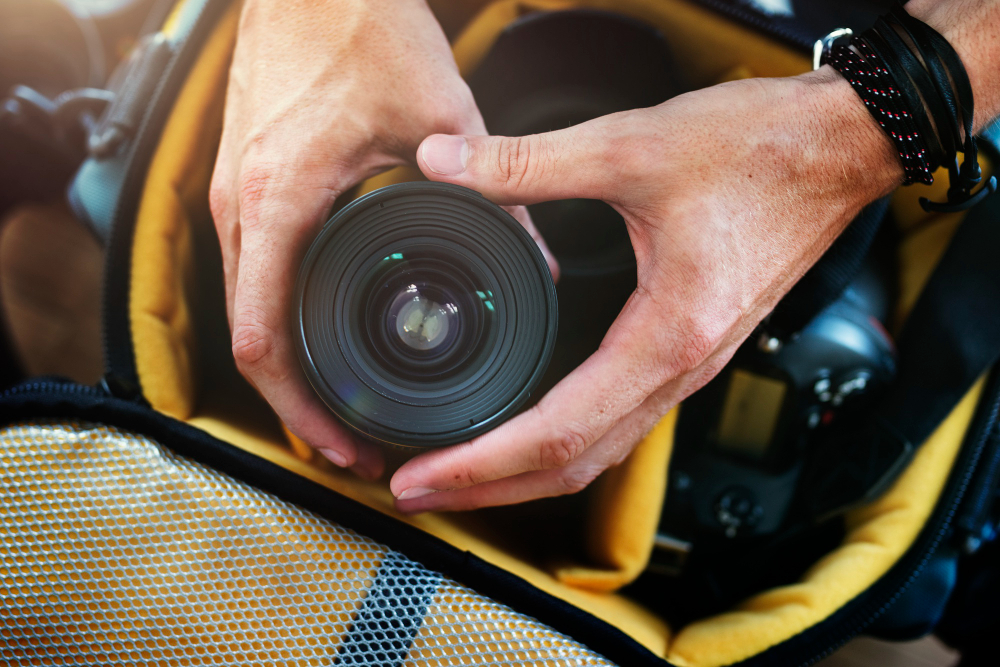
This is not another article about which camera is better. We want to talk about something the spec sheets don't mention: the friction between capturing an image and publishing it. In 2026, that friction determines whether a camera works for your life — or against it.
The Megapixel Ceiling
For most working photographers and content creators, the useful megapixel count was reached years ago. A 24-megapixel file printed at A1 size has more resolution than most gallery prints require. A 45-megapixel file for social media content is actively counterproductive — larger files, slower transfer, more storage cost, and no visible benefit on a 6-inch screen.
Yet cameras continue to compete on resolution. The Sony A7R V at 61MP, the Canon EOS R5 Mark II at 45MP, the Nikon Z8 at 45.7MP — these are extraordinary sensors solving problems that most photographers don't have. Meanwhile, the questions that actually affect daily working life get far less attention.
The Transfer Problem
How quickly does a file get from your camera card to your editing software? How many steps does that involve? For a photographer delivering to a client or publisher on deadline, this is not a background question — it's the job.
FTP transfer speeds, Wi-Fi reliability, USB-C generation, card slot type (CFexpress vs SD vs XQD) — these determine whether a turnaround is 20 minutes or two hours. Sony's Creators' App, Canon's Camera Connect, and Nikon's SnapBridge have all matured significantly, but the experience varies enormously in practice, and reviews rarely test this under real deadline conditions.
"I switched cameras last year. Not for the sensor — for the Wi-Fi. Being able to send selects to my editor while still on location changed everything."
— Priya Menon, Editorial Photographer, London
Cloud Backup and the Working Photographer
Professional shoots that once required carrying duplicate drives now integrate directly with cloud storage. Canon's image.canon, Nikon's NX Studio with cloud sync, and Fujifilm's X RAW Studio all offer pathways — with varying degrees of reliability, speed, and cost.
The critical consideration for UK-based photographers is upload speed on location. A 50-megapixel RAW file at roughly 50MB takes real time to upload on a 4G connection. Cameras that produce efficient compressed RAW formats — Sony's lossless compressed RAW, for instance — deliver meaningfully better real-world performance than cameras with inefficient file structures at equivalent resolution.
Vertical Video and the Hybrid Creator
The most significant format shift in photography over the past three years has had nothing to do with still images. Vertical video — for Instagram Reels, TikTok, YouTube Shorts — has become a primary deliverable for commercial photographers, influencer campaigns, and editorial commissions alike.
Not all cameras handle this gracefully. Some require rotating the body awkwardly. Others — the Sony ZV-E1, Nikon Z30, and increasingly the Canon R50 — have begun building vertical shooting modes directly into the interface, with display rotation and stabilisation optimised for portrait orientation. This is a minor-seeming feature that turns out to matter enormously in practice.
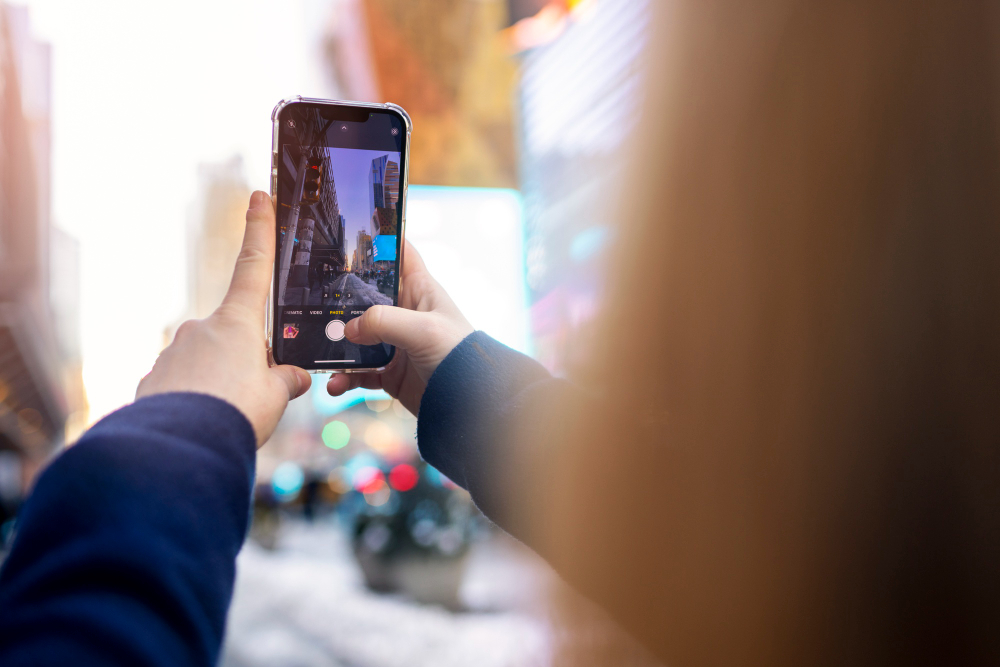
The modern content creator's workflow involves file transfer, cloud sync, and multi-platform delivery — often from a single camera body.
Ecosystem Lock-In: The Hidden Cost
Every camera manufacturer now operates an ecosystem: lenses, accessories, software, cloud services, subscriptions. Choosing a camera body is increasingly also choosing which ecosystem you're willing to commit to. Fujifilm's JPEG rendering philosophy, Sony's Alpha ecosystem breadth, Canon's colour science and EOS compatibility — these are long-term decisions that compound over years of investment.
Before buying based on specifications, we recommend asking: does this camera's ecosystem fit the way I actually work? Can files move easily to the editing software you use? Does the manufacturer's mobile app work reliably on your phone's operating system? These questions rarely appear in online reviews but will shape your daily experience for years.
Our Recommendation
If you're buying a camera in 2026 and you produce content for digital platforms, we'd suggest spending as much time researching transfer speed, file format efficiency, and ecosystem compatibility as you spend reading sensor tests. Visit our showroom in Manchester — we regularly demonstrate live transfer workflows and can match a camera to your actual delivery requirements, not just your wish list.