
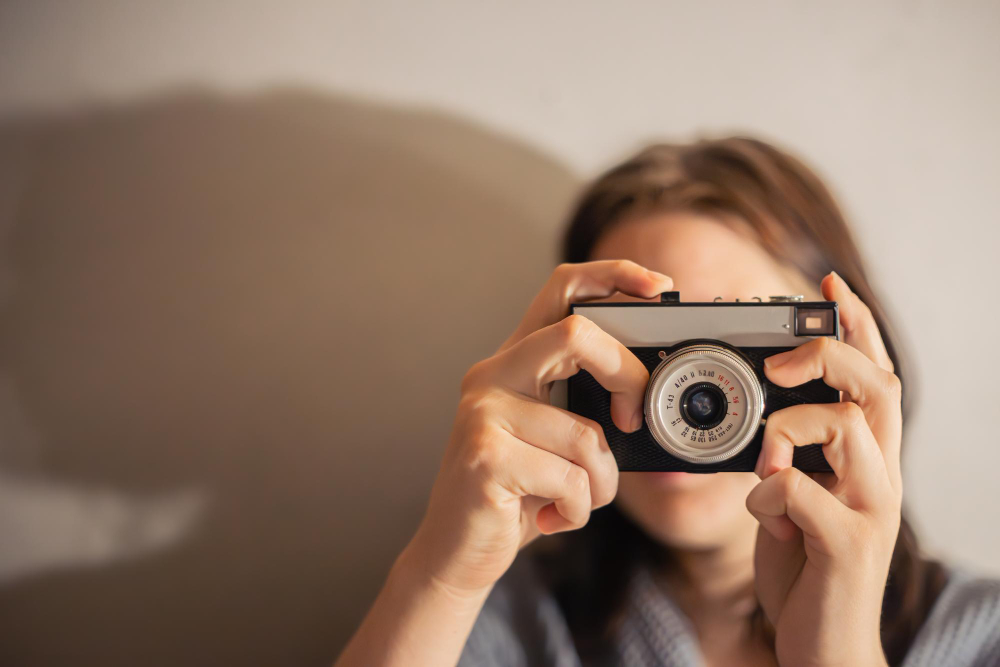
When cameras can fire at 120 frames per second, when AI selects your best frame from a burst of forty, when the only cost of a missed shot is a deleted file — why are a growing number of photographers deliberately choosing to slow down? The answer says something interesting about what photography actually means to the people who practice it.
The Burst Fatigue Problem
Professional sports photographers shooting at high frame rates routinely capture thousands of frames per session. The cull — the process of selecting and discarding — can take longer than the shoot itself. Wildlife photographers return from field trips with 20,000 raw files and spend the following week at a desk. Wedding photographers average 600–800 delivered images from a full day's shooting, selected from perhaps 3,000 captures.
This is not what many people imagined photography would feel like. The abundance of captured moments has created, paradoxically, a sense of impoverishment — not of images, but of photographs. When everything is captured, nothing quite has to be seen. The act of looking is deferred to the editing desk, which is a different act entirely.
"I realised I had stopped seeing things with my own eyes. The camera was seeing for me, and I was reviewing footage of my life rather than living it."
— James Okafor, Photographer, Manchester
The CCD Aesthetic and the Return of Grain
One visible manifestation of the slow photography movement is the renewed interest in CCD sensors and film simulation aesthetics. CCD sensors — the technology that preceded CMOS in digital cameras — produce a distinctive rendering: slightly cooler colour, more abrupt highlight rolloff, a different quality of noise than modern back-side illuminated sensors. Cameras like early Nikon DSLRs, certain Sigma Foveon-sensor bodies, and classic Leica M8s are being sought out specifically for this rendering quality.
Fujifilm's film simulations have benefited significantly from this cultural moment. The deliberately filmic rendering of Classic Chrome, Classic Negative, and Eterna Bleach Bypass has gone from a niche feature to a significant selling point — a shortcut to the aesthetic of images that feel considered rather than optimised.
Manual Focus as Meditation
Manual focus is slower, less reliable, and more likely to miss critical moments than any modern AI autofocus system. For a growing community of photographers, that is precisely the point. The physical act of focusing — turning a ring, feeling the resistance, watching the image resolve — is a form of attention that automated systems eliminate.
Photographers who have returned to manual focus consistently report a changed relationship with their subjects. When a shot requires effort to achieve, it is evaluated differently. When you cannot spray and pray, you think before you press. The photographs are not necessarily better — they are, however, more deliberate.
Limited Rolls, Limited Frames
The film photography revival — sustained, now, for several years — is directly related to this movement. A 36-exposure roll of film creates genuine stakes. You cannot delete. You cannot review immediately. You must see with your eyes rather than delegate seeing to a screen. For many photographers returning to film, the constraint is the point.
Some digital photographers have adopted artificial equivalents: limiting themselves to a set number of frames per outing, disabling image review on the camera back, or shooting only in intervals rather than bursts. These are deliberate self-impositions that run directly counter to the direction of camera technology development.
What the Slow Photography Movement Means for Buyers
At Chatabte, we have seen a meaningful increase in customers interested in rangefinder-style bodies, cameras with manual control layouts, and bodies with intentionally limited automated assistance. Fujifilm's X-Pro and X100 series, Leica's M system, and the Voigtländer Bessa range are all part of conversations that simply didn't happen three years ago. The camera-as-tool-for-slowing-down is a distinct and growing market.